

The EUR/USD exchange rate, a key indicator in the global forex market, experienced a noticeable decline on May 28 and May 29, 2025. This drop has caught the attention of traders and analysts, as the euro weakened against a resurgent US dollar. Several economic, policy, and technical factors contributed to this movement. Below, we explore the reasons behind the EUR/USD’s decline in detail, offering insights into the forces shaping this critical currency pair.
1. US Dollar Strength Driven by Consumer Confidence
One of the primary drivers of the EUR/USD’s decline was the renewed strength of the US dollar. On May 28, 2025, reports highlighted a rebound in US consumer confidence, which bolstered demand for the dollar. According to market analyses, positive consumer sentiment in the US signaled robust economic activity, encouraging investors to favor dollar-denominated assets.
Additionally, a more conciliatory tone from US President Donald Trump regarding trade relations with the European Union (EU) reduced fears of immediate trade disruptions. While Trump delayed imposing tariffs on EU goods until July 9, 2025, this temporary relief shifted market focus to the dollar’s strength, pushing the EUR/USD pair lower. The pair returned to hover around the 1.1300 level, a key anchor point, as noted in recent market commentary.
Why It Matters: Strong consumer confidence in the US often signals higher spending and economic growth, making the dollar more attractive compared to the euro, especially when Eurozone economic indicators are less favorable.
2. FOMC Minutes Signal Cautious US Monetary Policy
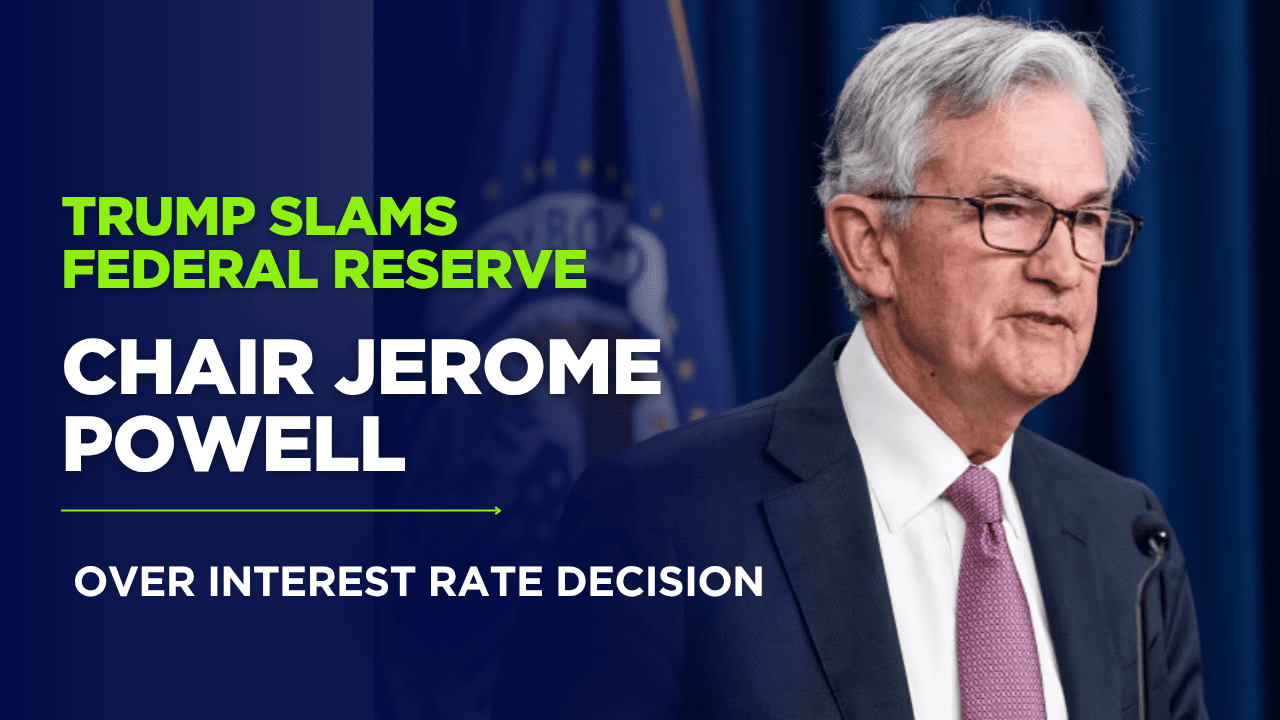
The Federal Open Market Committee (FOMC) minutes released in May 2025 played a significant role in supporting the US dollar. The minutes revealed that Fed policymakers were comfortable maintaining current interest rates, adopting a cautious stance amid concerns about stagflation—a combination of stagnant growth and rising inflation. This hawkish outlook suggested that US interest rates might remain elevated compared to the Eurozone, attracting capital flows to the dollar.
Higher interest rates in the US make dollar-based investments, such as Treasury bonds, more appealing to investors. This dynamic put downward pressure on the EUR/USD pair, as the euro struggled to compete with the dollar’s yield advantage.
Why It Matters: A hawkish Fed stance strengthens the dollar by signaling tighter monetary policy, which contrasts with expectations of looser policy in the Eurozone, weakening the euro.
3. Weak Eurozone Inflation Data Weighs on the Euro
On the Eurozone side, softer-than-expected inflation data from France, a major Eurozone economy, contributed significantly to the euro’s weakness. Both the Consumer Price Index (CPI) and the Harmonized Index of Consumer Prices (HICP) came in below forecasts, signaling lower inflationary pressure. This data reduced expectations for the European Central Bank (ECB) to maintain or raise interest rates, as lower inflation often prompts central banks to adopt a more dovish stance.
As a result, market participants began pricing in potential ECB rate cuts, which are bearish for the euro. The EUR/USD pair reflected this sentiment, dropping to 1.1293 on May 28 and softening further to around 1.1314 on May 29, according to real-time market updates.
Why It Matters: Lower inflation in the Eurozone suggests a more accommodative ECB policy, reducing the euro’s appeal compared to currencies backed by tighter monetary policies, like the US dollar.
4. Technical Factors and Market Resistance
From a technical perspective, the EUR/USD pair faced challenges sustaining its recent gains. After a bullish run last week, the pair encountered resistance around the 1.1300–1.1350 range. Technical analysts noted that the 200-period Simple Moving Average (SMA) on the 4-hour chart acted as a barrier, discouraging further upward momentum.
This resistance, combined with hesitancy among bullish traders, led to selling pressure that drove the pair below the critical 1.1300 support level. The lack of strong bullish catalysts, coupled with the dollar’s recovery, amplified the downward movement.
Why It Matters: Technical levels like support and resistance often guide short-term trading decisions. The failure to break above key resistance levels signaled a bearish shift for EUR/USD, reinforcing the dollar’s dominance.
5. Shifting Market Sentiment and Trade Dynamics
While the delay in EU tariffs provided some initial support for the euro, this optimism faded by May 28 and 29. Traders began focusing on upcoming US economic data releases, such as employment and GDP figures, which could further influence the Fed’s policy outlook. The anticipation of these releases contributed to a tentative dollar recovery, as investors reassessed rate expectations.
Moreover, the broader market sentiment leaned toward caution, with global investors favoring the relative safety of the US dollar amid uncertainties in other regions, including the Eurozone’s economic recovery. This shift in sentiment further pressured the EUR/USD pair.
Why It Matters: Market sentiment plays a crucial role in forex movements. A risk-off environment often benefits the US dollar, considered a safe-haven currency, over the euro.
What’s Next for EUR/USD?
Looking ahead, traders should monitor several key developments that could influence the EUR/USD pair:
- US Economic Data: Upcoming US data releases, including non-farm payrolls and GDP figures, will provide further insight into the Fed’s policy direction. Strong data could reinforce dollar strength, keeping pressure on EUR/USD.
- ECB Policy Signals: Any statements or actions from the ECB regarding interest rates or inflation targets will be critical. A dovish ECB could continue to weaken the euro.
- Geopolitical Developments: The outcome of US-EU trade negotiations, especially after the July 9 tariff deadline, will impact the euro’s trajectory.
- Technical Levels: Watch for support around 1.1250 and resistance at 1.1350. A break below 1.1250 could signal further declines, while a move above 1.1350 might indicate a potential recovery.
Conclusion
The decline in the EUR/USD exchange rate on May 28 and 29, 2025, stemmed from a combination of US dollar strength, cautious US monetary policy, weak Eurozone inflation data, technical resistance, and shifting market sentiment. These factors collectively favored the dollar, pushing the EUR/USD pair to levels around 1.1293–1.1314. As global economic dynamics evolve, traders and investors should stay informed about key economic indicators and policy developments to navigate the forex market effectively.
For the latest updates on EUR/USD and other forex pairs, keep an eye on economic calendars and central bank announcements. Understanding these factors can help you make informed trading decisions in this volatile market.
Disclaimer
The information provided in this article is for general informational purposes only and does not constitute financial, investment, or trading advice. The analysis of the EUR/USD exchange rate and related market factors is based on publicly available data and market commentary as of May 29, 2025. Currency markets are highly volatile, and past performance is not indicative of future results. Readers should conduct their own research and consult with a qualified financial advisor before making any investment or trading decisions. The author and publisher are not responsible for any losses or damages arising from the use of this information. All data, including exchange rates and economic indicators, are subject to change, and readers are encouraged to verify the latest market conditions.

















2 thoughts on “Why EUR/USD Go Down Yesterday and Today: A Detailed Analysis”
Thank you🥰
Keep a close look on the pairs data
See what to aspect coming days data🤝😎