

Overview of U.S. Unemployment Claims

As of June 18, 2025, at 06:15 PM IST, the U.S. Department of Labor reported a slight decline in weekly initial jobless claims, dropping to 245,000 for the week ending June 14, a decrease of 5,000 from the prior week’s 250,000 (revised from 248,000). Despite this dip, the 4-week moving average climbed to 245,500, the highest since August 2023, signaling persistent labor market challenges. Continuing claims, a proxy for those remaining unemployed, fell marginally to 1,945,000, down 6,000 from the previous week, with the insured unemployment rate steady at 1.3%.
Key Labor Market Trends
The slight drop in initial claims masks underlying pressures:
- Sectors Hit Hardest: Layoffs surged in education, transportation and warehousing, healthcare and social assistance, and accommodation and food services, reflecting seasonal adjustments as schools close and economic uncertainty grows.
- State-Level Insights: States like New Jersey (2.3%), California (2.2%), Massachusetts (2.1%), and Washington (2.1%) reported the highest insured unemployment rates, indicating regional disparities.
- Longer Unemployment Durations: Continuing claims remain elevated compared to last year, with the median unemployment duration at 9.5 weeks in May, down slightly from 10.4 weeks in April, suggesting job seekers are struggling to find work.
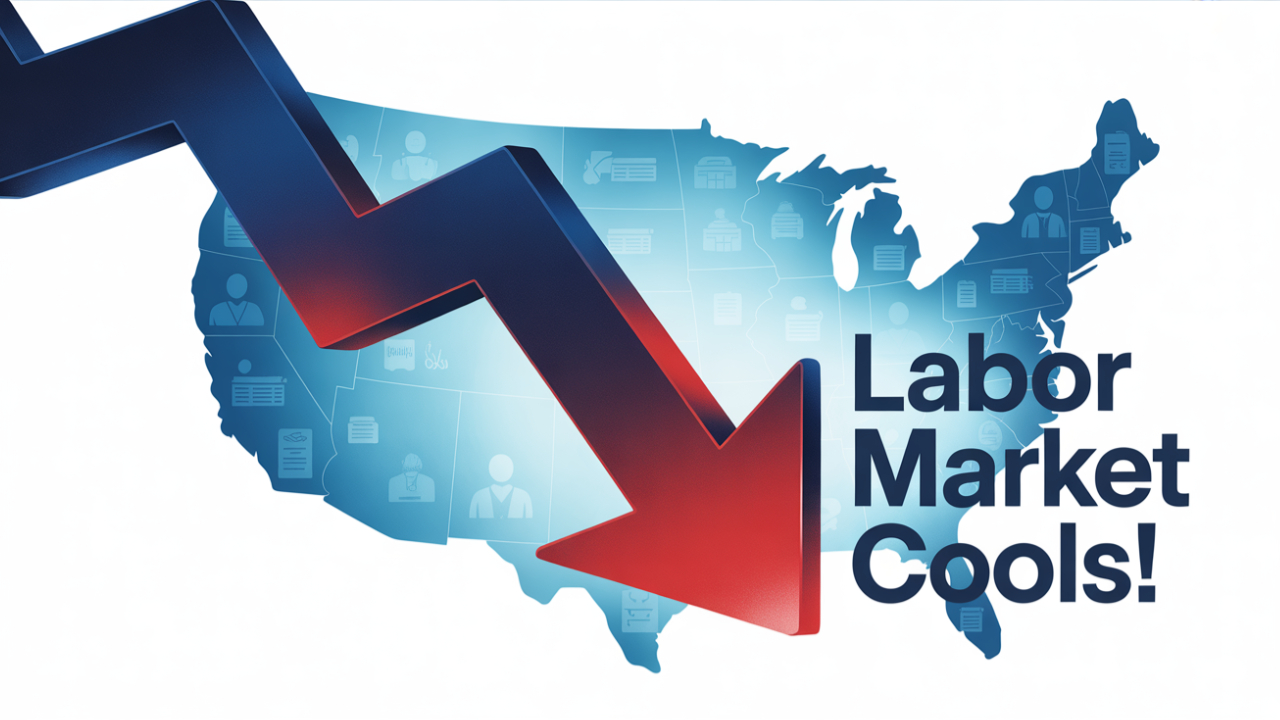
The labor market is cooling, with the unemployment rate holding at 4.2% in May, but a 696,000 drop in household employment and a 625,000 reduction in the labor force signal reduced confidence, partly attributed to Trump administration policies like mass deportations and federal job cuts.
Broader Economic Context: Trump’s Tariff Policies and Israel-Iran Conflict
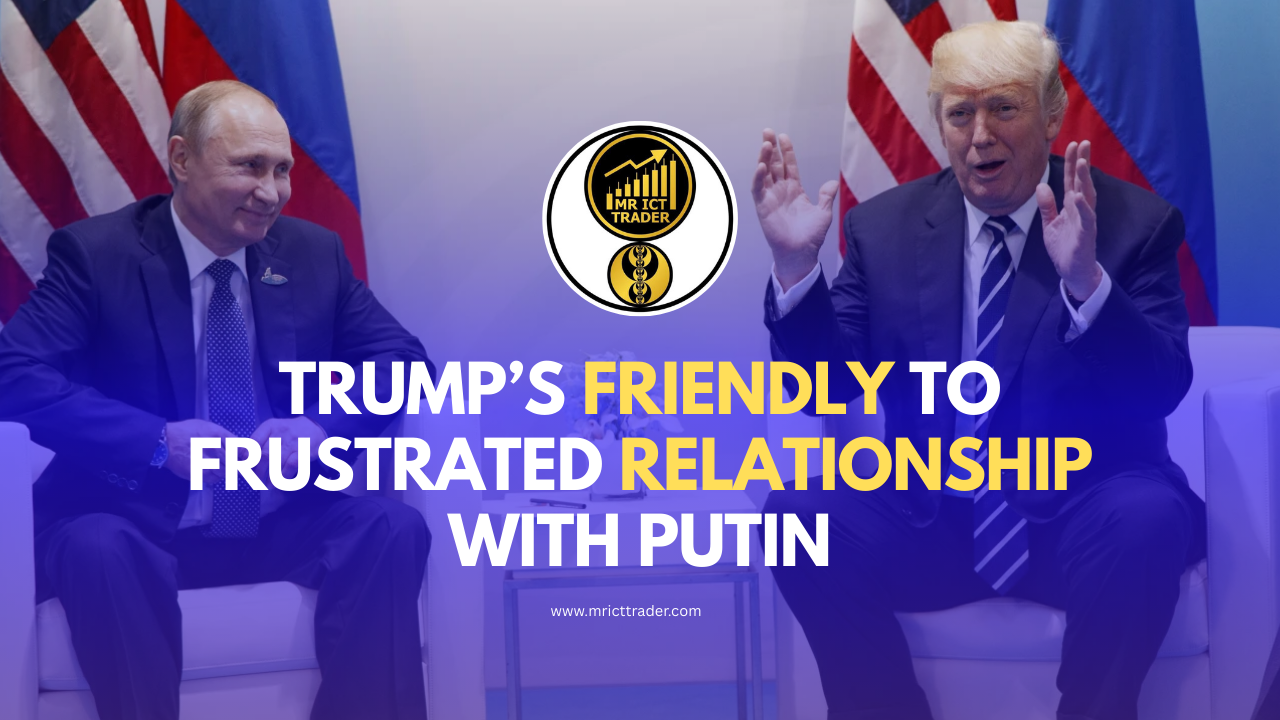
President Donald Trump’s trade policies, including fluctuating tariff announcements, have clouded the economic outlook, with companies like Petco citing tariff uncertainty in tempered 2025 forecasts. The Department of Government Efficiency (DOGE) has overseen 280,000 federal job cuts in 2025, contributing to layoffs.
Simultaneously, the escalating Israel-Iran conflict, now in its fifth day as of June 18, 2025, has heightened global economic uncertainty. Israel’s strikes on Iranian nuclear facilities and Iran’s retaliatory missile attacks on Israeli cities have driven Brent crude prices to $76 per barrel, raising fears of supply chain disruptions through the Strait of Hormuz. Trump’s push for a “real end” to Iran’s nuclear program, rejecting ceasefire calls, has further amplified geopolitical risks, with gold prices in India surpassing ₹1 lakh due to safe-haven demand.
Forex Market Impact
The combination of U.S. labor market data and Middle East tensions has triggered significant forex market movements:
- U.S. Dollar (USD) Weakness: The softening labor market, with rising continuing claims and a high 4-week average, has fueled speculation that the Federal Reserve may pause rate hikes, weakening the USD. The USD index fell 0.3% to 98.87 on June 18, reflecting risk-off sentiment.
- Safe-Haven Currencies: The Japanese yen (JPY) and Swiss franc (CHF) gained, with USD/JPY down 0.5% to 147.20 and USD/CHF dropping 0.4% to 0.86, driven by Middle East tensions and U.S. economic concerns.
- Oil-Linked Currencies: Rising oil prices bolstered the Canadian dollar (CAD) and Norwegian krone (NOK), with USD/CAD declining 0.6% to 1.34 and USD/NOK down 0.5% to 10.45.
- Emerging Market Currencies: The Indian rupee (INR) and Turkish lira (TRY) weakened, with USD/INR up 0.4% to 84.20 and USD/TRY rising 0.6% to 34.50, reflecting trade disruptions and proximity to the conflict zone.
- Commodity-Driven Movements: A weaker USD and rising geopolitical risks pushed gold prices higher, indirectly supporting commodity-linked currencies like the Australian dollar (AUD), with AUD/USD up 0.3% to 0.67.
- Volatility Surge: The CBOE Volatility Index (VIX) spiked, and forex pairs like USD/ILS and USD/IRR saw sharp fluctuations, though Iran’s rial remains tightly controlled.
Market Outlook and Investor Strategies
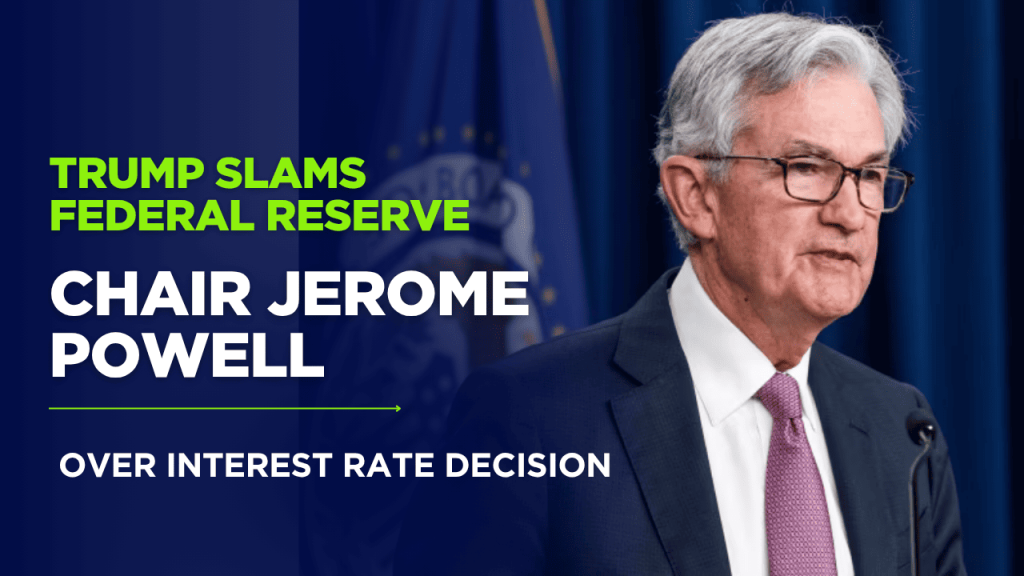
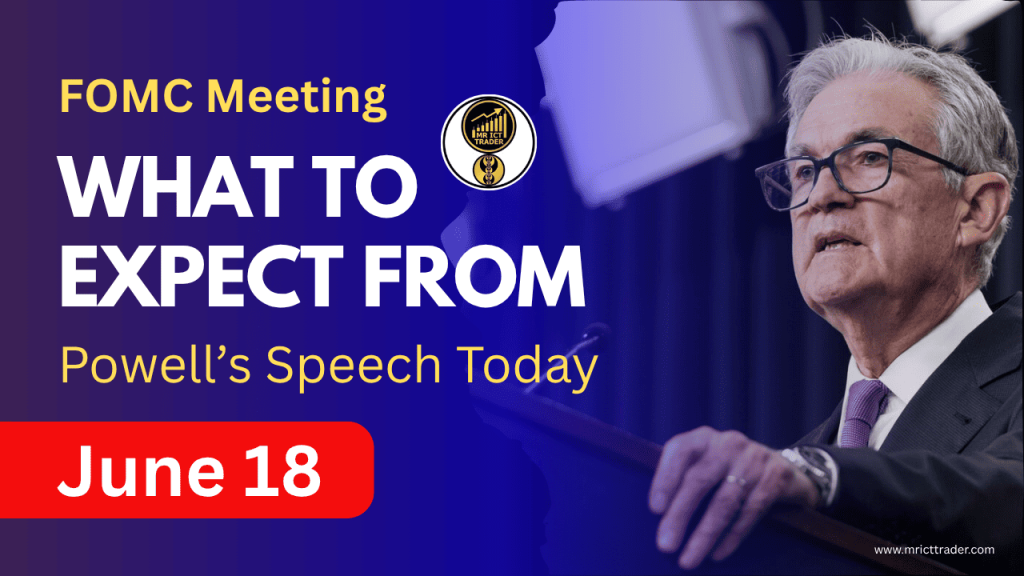
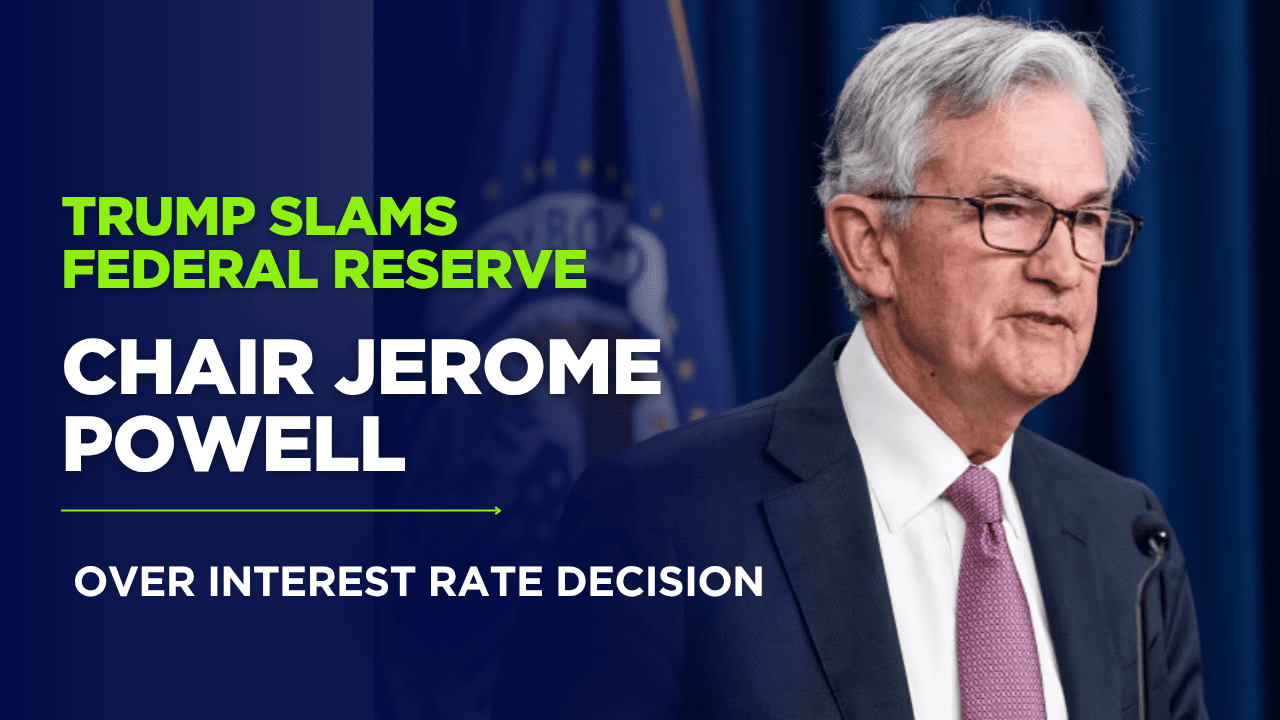
- Federal Reserve’s Next Moves: The Fed’s June 17-18 meeting looms large, with Federal Reserve Chair Jerome Powell noting risks of higher unemployment and inflation due to tariffs and geopolitical tensions. A dovish stance could further weaken the USD, while hawkish signals may stabilize it.
- Geopolitical Risks: The Israel-Iran conflict, combined with Trump’s nuclear negotiations, could sustain volatility, particularly in EUR/USD and GBP/USD, which gained 0.4% and 0.5%, respectively, on June 18.
- Forex Trading Strategies: Traders are shifting to risk-off strategies, favoring JPY and CHF, while monitoring oil-driven pairs like CAD and NOK. Scalping volatile pairs like USD/ILS may offer short-term opportunities, but caution is advised due to unpredictable geopolitical developments.
Global Economic Implications
The U.S. economy shrank at a 0.2% annual pace in Q1 2025, and corporate profits dropped $96.7 billion, the largest decline since 2020, driven by tariff uncertainty. Middle Eastern stock markets, including Israel’s TA-35 and Saudi Arabia’s Tadawul, fell 2-4%, while global indices like the S&P 500 and FTSE 100 dipped 0.5-1%. Rising oil prices threaten global inflation, potentially prompting tighter monetary policies from central banks like the European Central Bank and Bank of Japan.
Looking Ahead
The interplay of a cooling U.S. labor market and the Israel-Iran conflict creates a complex environment for forex markets. Investors are urged to monitor:
- Federal Reserve Speeches: For signals on interest rate decisions.
- Middle East Developments: For potential oil supply disruptions.
- U.S. Nonfarm Payrolls: The next report, due July 4, 2025, will provide further labor market clarity.
Disclaimer
This article is for informational purposes only and does not constitute financial, investment, or geopolitical advice. The information is based on trusted sources as of June 18, 2025, and is subject to change. Readers should verify details with primary sources and consult financial advisors before making investment decisions. The author and publisher are not responsible for any losses or damages arising from the use of this information.
For the latest updates, follow trusted sources like Reuters, Bloomberg, Financial Times, CNBC, and The Wall Street Journal for real-time coverage of U.S. economic data and global geopolitical events.
Sources: Reuters, Bloomberg, CNBC, The Wall Street Journal, FX Leaders, FX Street