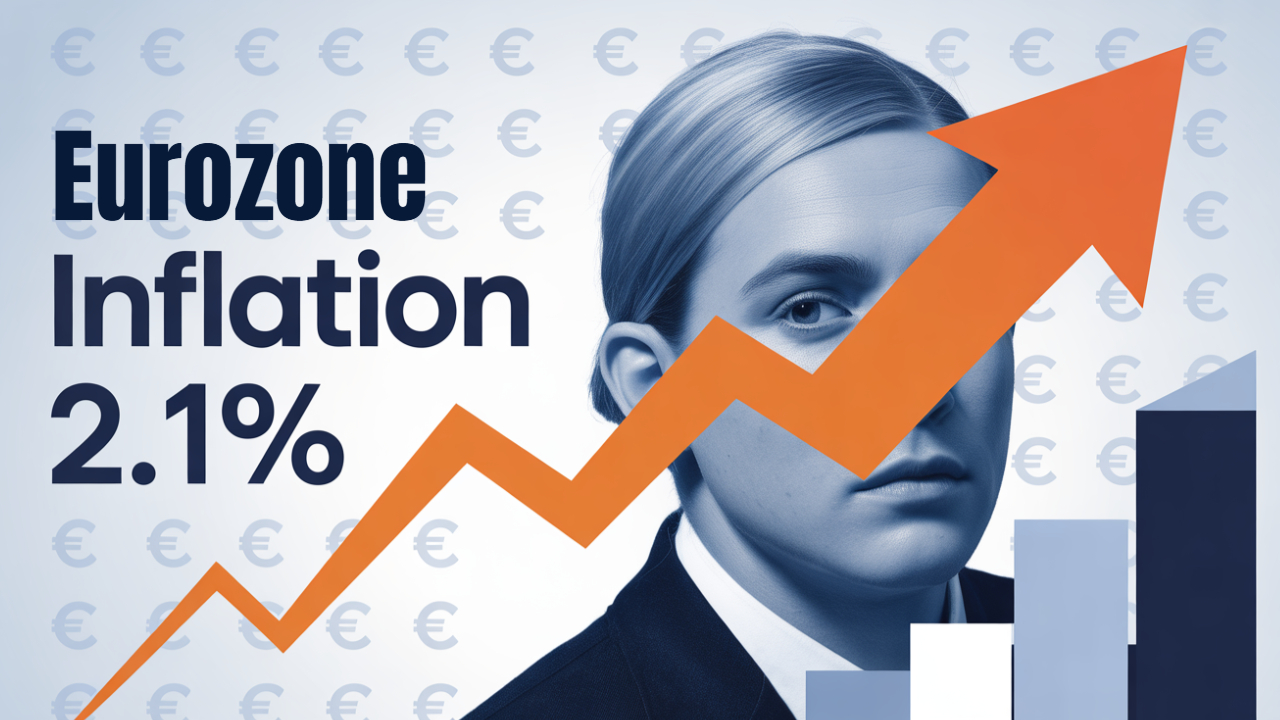
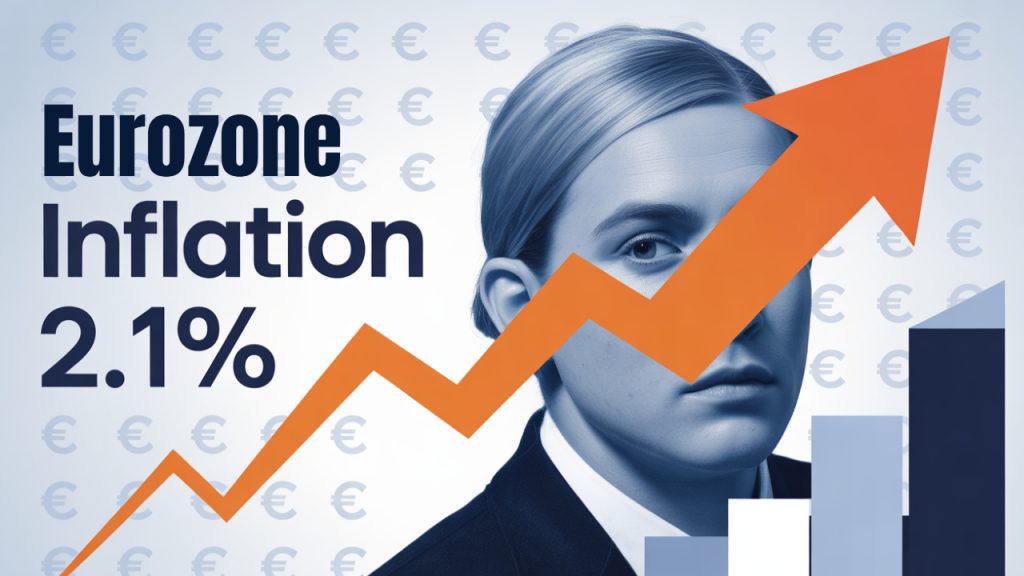

Brussels, September 2, 2025 — Inflation in the eurozone ticked up to 2.1% year-on-year in August, according to preliminary figures released on Monday. This rise from July’s 2.0% slightly surpassed market expectations and the European Central Bank’s (ECB) 2% target, highlighting the ongoing challenge of balancing economic growth with price stability. The increase comes despite recent ECB rate cuts aimed at boosting demand, underscoring persistent inflationary pressures in the region.
Inflation Snapshot: The Numbers
- Headline Inflation: Rose to 2.1%, driven primarily by escalating food prices.
- Core Inflation: Stayed steady at 2.3%, bucking predictions of a decline to 2.2%.
Core inflation, which excludes volatile elements like energy and unprocessed food, offers a clearer view of underlying price trends. Its stability suggests that inflationary pressures remain entrenched, even as energy costs continue to ease.
Factors Fueling the Rise
Several key drivers contributed to August’s inflation uptick:
- Rising Food Costs: Unprocessed food prices spiked due to supply chain challenges and increased agricultural production costs across Europe.
- Falling Energy Prices: While energy costs declined, the relief was insufficient to offset the surge in food prices.
- Resilient Services Sector: Prices in the services sector, a significant driver of the eurozone economy, remained steady, supporting core inflation’s persistence.
ECB’s Policy Tightrope
After implementing two interest rate cuts in late 2024 to stimulate lending and economic activity, the ECB now faces a complex decision. With inflation slightly above the 2% target, most analysts anticipate a pause in further rate reductions for the foreseeable future.
ECB Governing Council member Isabel Schnabel cautioned against premature rate cuts, noting that such moves could exacerbate price pressures, especially amid ongoing global trade uncertainties. Conversely, some policymakers advocate for additional easing if inflation dips below 2% in 2026, reflecting divergent views within the ECB.
Market Reactions
Financial markets responded with cautious optimism:
- The euro saw a slight uptick against the U.S. dollar, signaling expectations of stable ECB interest rates.
- Eurozone government bond yields rose marginally as investors dialed back expectations for near-term rate cuts.
What’s Next for the Eurozone?
The ECB forecasts that inflation will hover near its 2% target throughout 2025, but the longer-term outlook remains uncertain. Potential scenarios include:
- Inflation Below 2% in 2026: This could prompt renewed calls for monetary easing to spur growth, though it risks weakening price stability.
- Persistent Price Pressures: If food and services prices remain elevated, the ECB may opt to maintain higher interest rates, potentially slowing economic growth.
External factors, such as trade tensions, energy market fluctuations, and geopolitical risks, further complicate the economic outlook.
Key Economic Metrics
| Indicator | August 2025 | July 2025 | Forecast | ECB Target |
|---|---|---|---|---|
| Headline Inflation | 2.1% | 2.0% | 2.0% | 2.0% |
| Core Inflation | 2.3% | 2.3% | 2.2% | — |
Final Thoughts
August’s 2.1% inflation rate signals that price pressures in the eurozone remain stubborn, despite falling energy costs and earlier ECB efforts to stimulate growth. For now, the central bank is likely to hold interest rates steady, prioritizing caution over aggressive policy shifts. As 2026 looms, the ECB’s next steps—whether tightening or easing—will play a pivotal role in shaping the region’s economic future.
Disclaimer: This article is intended for informational purposes only and does not constitute financial or investment advice. For the most current information on eurozone inflation and ECB policies, refer to official sources or consult a financial advisor. Data is based on preliminary estimates and may be subject to revision.